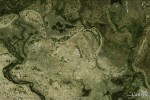
Seit einigen Monaten bin ich beim WoGE-Suchen (Um was es dabei geht, steht weiter unten. Vergangene WoGEs sammelt Felix Bossert auf seinem Blog und Ron Schott in einer KML-Datei.) nicht so recht vorangekommen – entweder kam ich nicht dazu, oder ich hab das aktuelle Blog (und den gesuchten Ort) nicht gefunden. Inzwischen bin ich hoffentlich […]
Heute konnten die Berliner über die Offenlegung der Verträge zur Teilprivatisierung (49,9% der Anteile gehören Veolia und RWE) der Berliner Wasserbetriebe abstimmen. Das Volksbegehren wurde von der Vereinigung „Berliner Wassertisch“ initiiert und führte zur heutigen Abstimmung, die nach der vorläufigen Auszählung wohl gewonnen wurde. Als Cottbuser bin ich zwar nicht direkt betroffen, aber trotzdem finde […]

Vor einer Weile hab ich hier über meine Stylesheets (CSS) mit den Farbdefinitionen der Internationalen Stratigraphischen Tabelle (ISC) von 2009 geschrieben. Seit ein paar Monaten habe ich ein Palm Pre Smartphone (und bin ziemlich zufrieden damit) und dachte mir, wäre doch praktisch, die Tabelle immer dabei zu haben. Natürlich könnte man mit einem Smartphone einfach […]
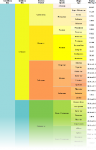
Im November 2008 hatte ich einen Artikel zu meinem Stratigraphie-Stylesheet geschrieben. Damals enthielt das Stylesheet nur Farbdefinitionen für Hierarchiestufen bis Periode bzw. System; später kamen noch ein paar weitere Unterteilungen für Känozoikum und Mesozoikum dazu. Letztes Wochenende war ich krank und wollte zwischenzeitliche Anfälle von Langweile überbrücken; deswegen habe ich die Farbdefinitionen nun vollständig übertragen. […]
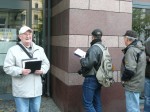
Wie hier neulich schon angekündigt, war am Sonntag ein Natursteine-Rundgang durch die Cottbuser Innenstadt. Die Führung wurde von Wolfram Köbbel vom Förderverein Kulturlandschaft Niederlausitz geleitet. Die „Exkursionsroute“ verlief von der Feigestraße durch Ostrower und Spremberger Straße zum Altmarkt, dann an der Klosterkirche und außerhalb der Stadtmauer weiter zur Stadthalle. Abschließend ging es über Post und […]
Zum Tag der Steine in der Stadt an diesem Wochenende findet auch in Cottbus eine Veranstaltung statt. Herr Köbbel vom Förderverein Kulturlandschaft Niederlausitz leitet am Sonntag (24.10.10) von 10:00 bis 12:00 Uhr einen Stadtrundgang mit dem Thema „Der natürliche Rohstoff Stein in der Innenstadt“. Treffpunkt ist Reha Vita in der Feigestraße 1, der Unkostenbeitrag ist […]
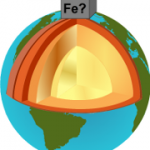
Seit einigen Jahren gibt es ja gewisse Meinungsverschiedenheiten zwischen den Anrainerstaaten, wer in welchen Gebieten Ansprüche auf die Rohstoffe hat. Bis jetzt ging es dabei im wesentlichen um Kohlenwasserstoffe. Aber nun hat Galileo, das bekannte Wissenschaftsmagazin von Pro 7 ;-), so ganz nebenbei einen weiteren Rohstoff ins Spiel gebracht: Am Nordpol lagern riesige Eisenvorkommen.

Dank Callan Bentleys Blog-Post Words' Worth IV ist mir wieder bewusst geworden, daß „Datum“ ein saublödes Wort ist, wenn es um den Plural geht. Der normale Plural ist ja „Daten“. Das ist aber auch das Wort für einen Schwung zusammengehöriger Informationen. Das macht sicher beim Arbeiten mit/an Datenbanken Spaß, wo man ja allgemein eine Menge […]
Man lernt nie aus: auf dem Mond gibt es jede Menge Überschiebungen, die teilweise auch „relativ jung“ (ca. 800 bis 1000 Millionen Jahre) sind. Vermutlich sind sie entstanden, weil der Mond durch Abkühlung etwas schrumpft. Gefunden bei Bad Astronomy, der einen netten Artikel dazu geschrieben hat.
Ziemlich genau ein halbes Jahr nach meinem letzten WoGE-Treffer hab ich endlich mal wieder eins erwischt: Simon hat im letzten WoGE (gehostet auf Jeromes Blog) den Berg Tronfjell, eine schöne Gabbro-Intrusion in den Kaledoniden Norwegens, gezeigt. Ich möchte mich mit einer doch etwas jüngeren Bildung anschließen:
Entgegen den Befürchtungen von Ayatollah Kazem Sedighi scheinen unzüchtig gekleidete Frauen keine signifikante Erhöhung der seismischen Aktivität zu verursachen. Die Initiatorin des Forschungsprojekts kommt in einer ersten statistischen Auswertung der Daten zu diesem beruhigenden Ergebnis.
…ist nun geklärt: (Von Bizarro; neulich bei Pharyngula entdeckt.) Zum Glück mußte ich mich bis jetzt noch nicht mit Studenten über das kreationistische Gaga auseinandersetzen, auf das der Cartoon anspielt.
So lange hab ich drauf gewartet und jetzt dann fast verpasst: es gibt erste Ergebnisse der Geoblog-Umfrage 2009. Lutz Geißler hat sie umfangreicher auf Englisch bei geoberg.de und etwas kürzer auf Deutsch bei geonetzwerk.org zusammengestellt. Eine Veröffentlichung in einer noch nicht näher benannten Zeitschrift ist beabsichtigt. Interessant finde ich (ähnlich wie schon letztes Mal), daß […]
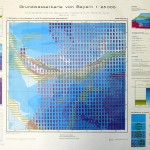
Vor geraumer Zeit hatte ich ein farbenfrohes Objekt moderner Gestaltungskunst gepostet und mich gefragt, ob jemand erkennt, was das wohl ist. Ein, zwei Leute waren davon zwar angetan, konnten aber der „Frau mit Fisch“ leider nichts weiter hinzufügen… Jetzt also das Bild im Gesamtzusammenhang:
Schön, wenn man ein bißchen in alten Büchern schmökert: Die hydraulischen Vorgänge beim Grundwasser in der Natur bereiten der rechnerischen Behandlung große Schwierigkeiten. Der Geologe neigte bisher meist dazu, sich lediglich auf die Anschauung zu stützen und die rechnerische Behandlung ganz beiseite zu lassen. Dem mathematisch geschulten Ingenieur fehlt dagegen häufig die erforderliche Anschauung vom […]
Wieder mal was nettes/interessantes entdeckt. Wikipedia stellt für das Schreiben von Artikeln sogenannte Vorlagen (Templates) zur Verfügung, die für immer wiederkehrende Bausteine (z.B. die oft am Ende oder am rechten Rand eines Artikels enthaltenen Links auf andere Artikel aus einem Themengebiet) verwendet werden können. Es gibt auch einen Schwung Vorlagen im Bereich Geologie (eine entsprechende […]
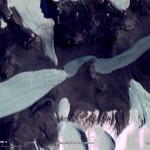
Dominion hat auf seinem/ihrem Blog “The Couloir Times” ein Stück der Blue Ridge Mountains, wo er/sie aufwuchs, als WoGE #177 gezeigt. Passend zu Weihnachen gibt es von mir das neue, verschneite/eisige WoGE #178:
Es wird ja schon seit längerem vermutet, daß sich auf dem Mond von Kometen eingeschlepptes Wasser (oder genauer gesagt Eis) befinden sollte. Nun hat es also geklappt mit dem Nachweis von Wasser in tiefen, vor der Sonne geschützten Kratern. (Pressemitteilung der NASA) Vor einem Monat hatte die NASA die ausgebrannte Centaur-Raketenstufe, mit der die beiden […]
Gut, daß mich Callan daran erinnert hat: Heute vor 6012 Jahren entstand die Erde 😉 – Wenn man versucht, sorgfältig eine Chronologie aus der Bibel abzuleiten, wie das Bischof Ussher im 17. Jahrhundert gemacht hat. Stephen Jay Gould hat darüber ausführlicher geschrieben; auch, daß der Versuch zu seiner Zeit durchaus etwas ernsthaft „wissenschaftliches” hatte. Daß jedoch […]
Inzwischen ist der Erdrutsch am Concordiasee drei Monate her. Mein erstes Posting dazu war noch etwas knapp. Aber bald danach hatte Lutz von GeoBerg.de einen Artikel geschrieben und auch ich habe zwei weitere Beiträge nachgelegt. Nach dem Wirbel der ersten Tage ist es dann aber in den Medien recht ruhig geworden – die Untersuchungen zur […]